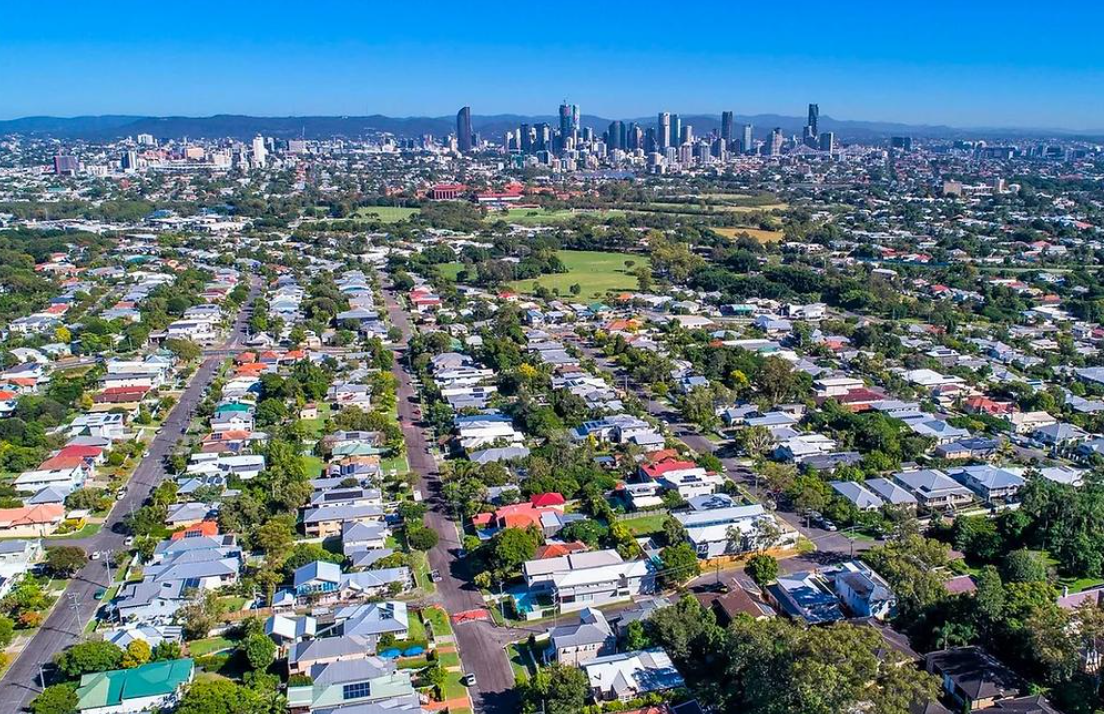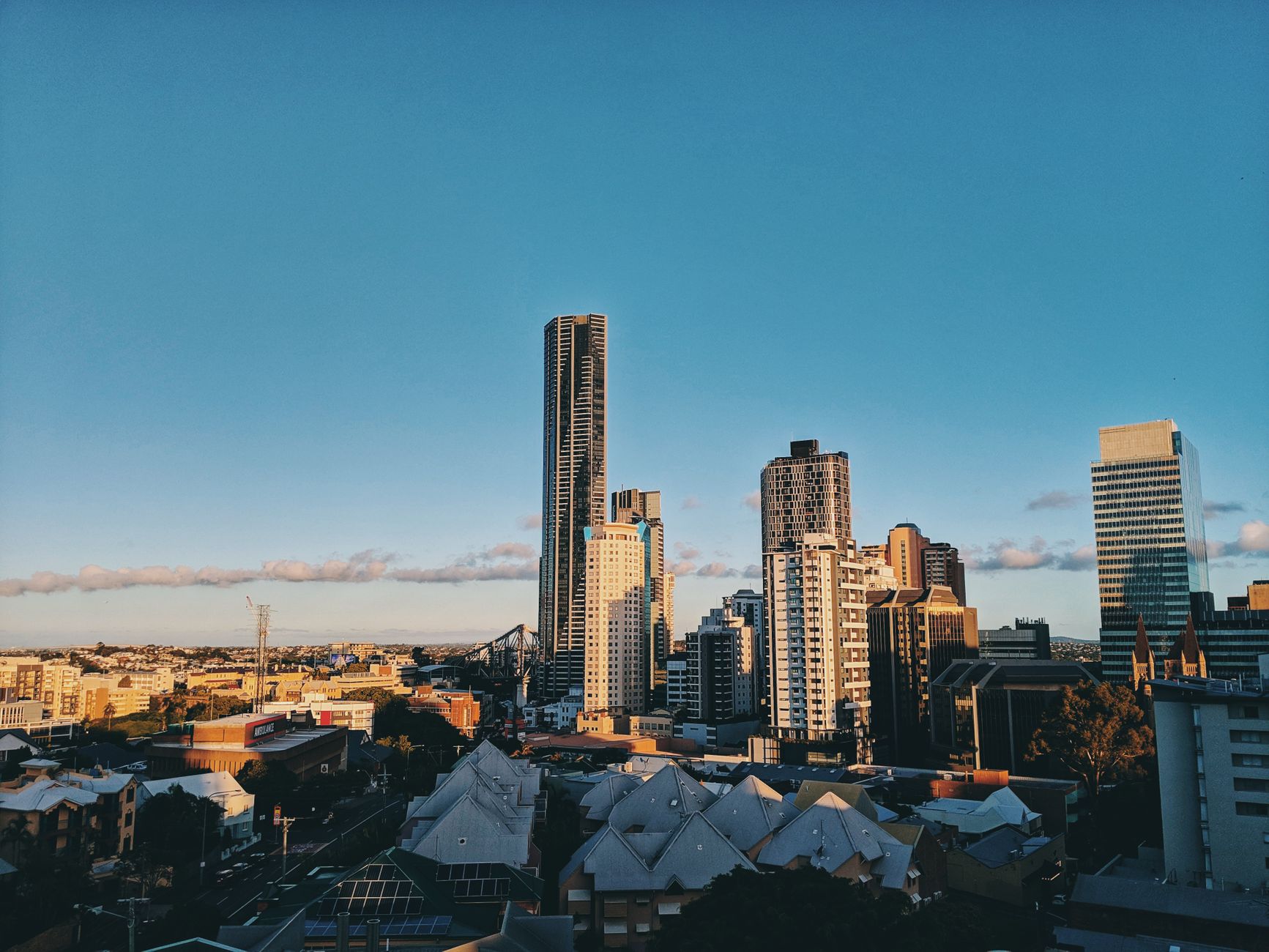
Queensland keeps winning the migration race. The state added close to 98,000 residents in 2024-25 — including the nation's largest net inflow of interstate movers, more than 20,000 people, most of them from New South Wales — and Greater Brisbane is now around the three-million mark. The drivers are familiar: jobs (including a decade-long Olympic infrastructure pipeline), winter that does not require a heater, and housing that still costs less than Sydney. If you are planning the move, here is the practical version.
First, a price reality check
The old line was "sell in Sydney, buy the same house in Brisbane for half". Update your expectations: Brisbane's median dwelling value is now about $1.10 million (Cotality, mid-2026) — still comfortably below Sydney's $1.22 million, but above Melbourne's $787,000 and well above the national median. Brisbane is no longer the cheap seat; it is a major market in its own right. The good news for 2026 arrivals: prices have paused since May, so you are not chasing a runaway train — our spring market update has the current picture.
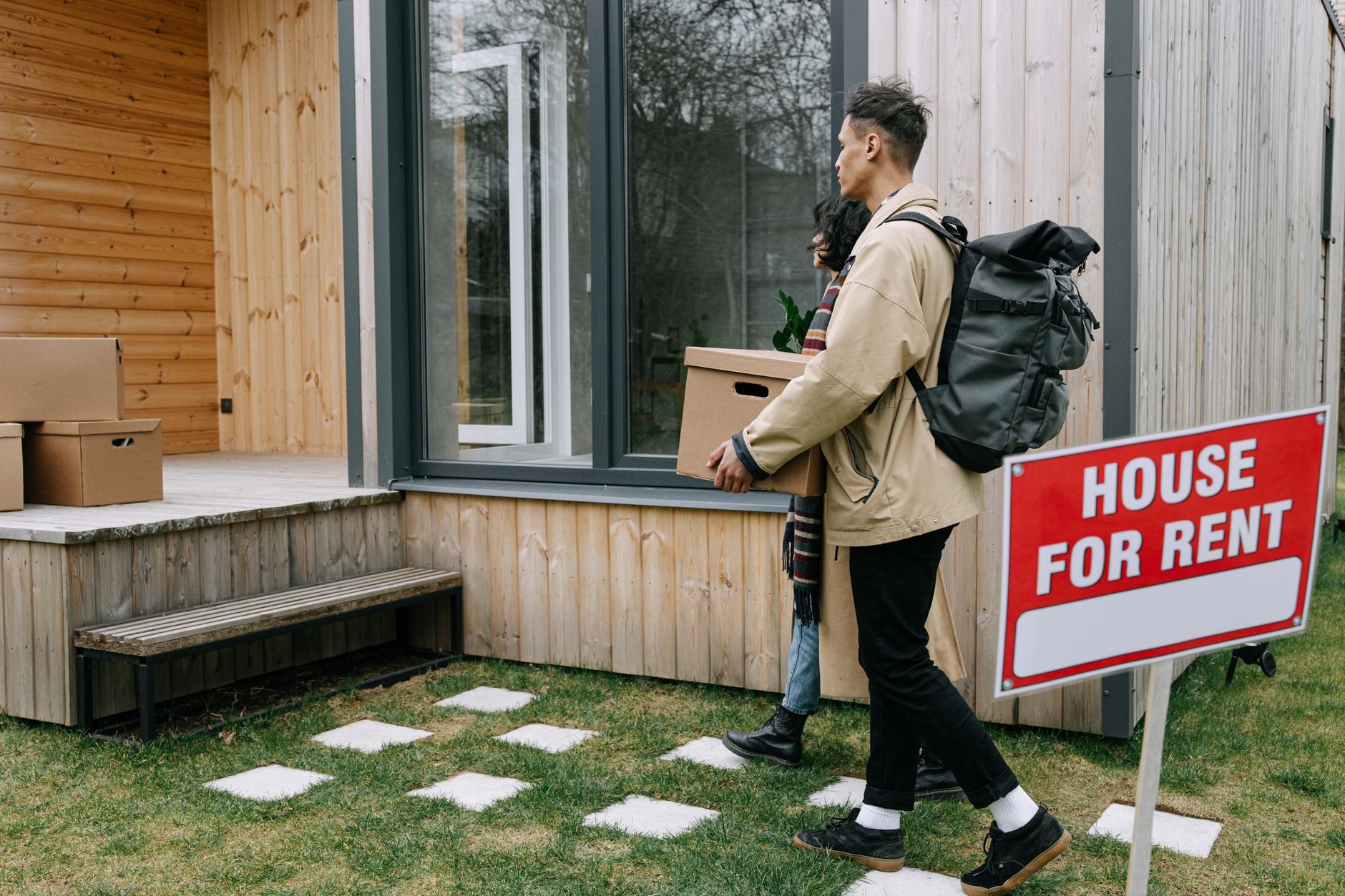
Renting first: come prepared
Most newcomers rent for six to twelve months while they learn the city — sensible, but know that Brisbane's vacancy rate is about 0.9%, with median rents around $650 a week for houses and $570 for units. Practical tips:
- Have your documents ready before you land: ID, payslips or employment contract, and rental references. Good properties receive multiple applications within days.
- Inspect quickly (or have someone inspect for you) and apply the same day.
- Use a shorter first lease if you can — where you think you want to live and where you end up buying are rarely the same suburb. Our suburb map and suburb guides shortcut a lot of that learning.
Buying in Queensland: what is different here
- Seller disclosure is now law. Since 1 August 2025, sellers must give you a Form 2 disclosure statement (title, plans, body corporate details and more) before you sign.
- Private sales carry a 5-business-day cooling-off period — you can withdraw for a penalty of 0.25% of the price. Auctions have none.
- Conditions are your safety net. Offers routinely include finance and building-and-pest conditions; settlement typically runs 30-90 days.
- Engage a Queensland conveyancer or solicitor — contract law differs from the state you came from.
The money: duty, grants and 2026 rule changes
- Transfer duty applies on top of your price — get an instant estimate with the stamp duty calculator. Moving into the home yourself generally attracts a concessional rate.
- First home buyers do well here: zero duty on new homes at any price, zero on established homes to $700,000 (phasing out at $800,000), and a $30,000 grant on new homes under $750,000 — full details in our grants guide.
- Visa holders, note: from 1 August 2026, Queensland's home and first-home duty concessions are limited to Australian citizens, permanent residents and specified foreign retirees (now law). Temporary residents buying after that date pay full duty — factor it in early.
- Buying from overseas? The federal ban on foreign persons purchasing established homes was extended in the 2026-27 Budget and now runs to mid-2029 — but new dwellings and vacant land remain open with FIRB approval. Queensland adds an 8% duty surcharge for foreign buyers. Our investment calculator estimates the all-in entry cost, FIRB fees included.
Settling in: the small stuff
- School catchments are enforced by address — verify any street on the Queensland Government's EdMap before you commit to a rental or purchase.
- Transfer your driver licence soon after arriving (interstate licences can only be used for a limited period).
- No daylight saving. Summer sunrises are early; your southern colleagues will be an hour ahead all summer.
- Storm season is real. October to March brings serious weather — check flood mapping before renting or buying, and never let insurance lapse over summer.