Data current as at 1 September 2026. Market figures move monthly — treat them as a guide, not a valuation.
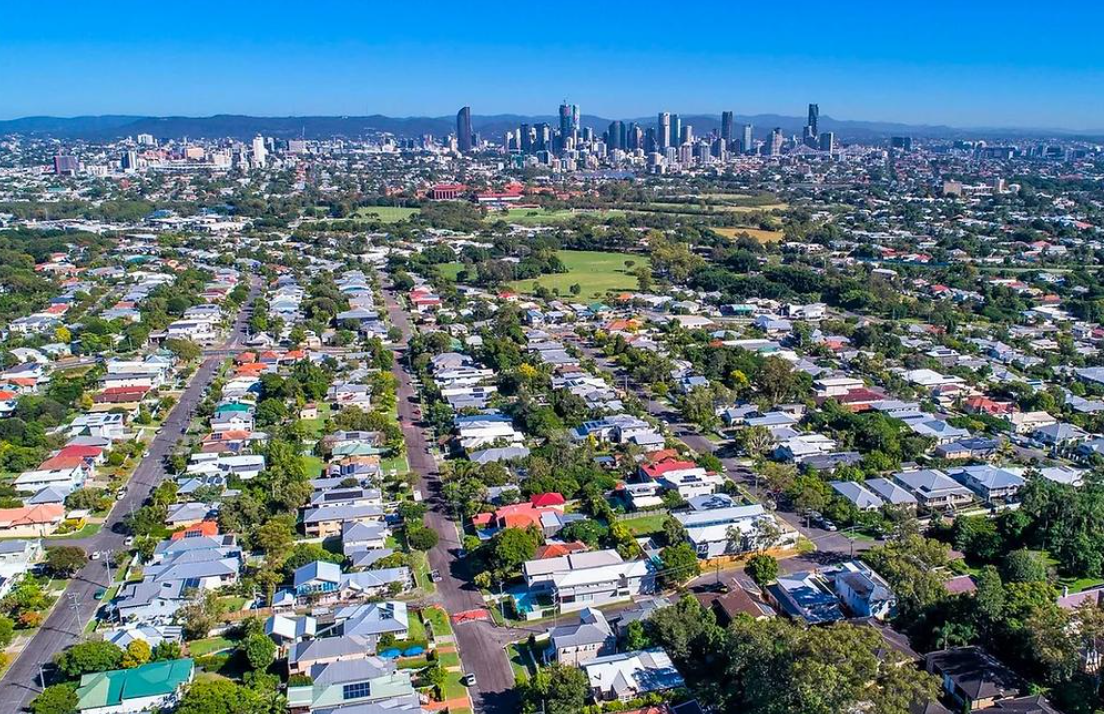
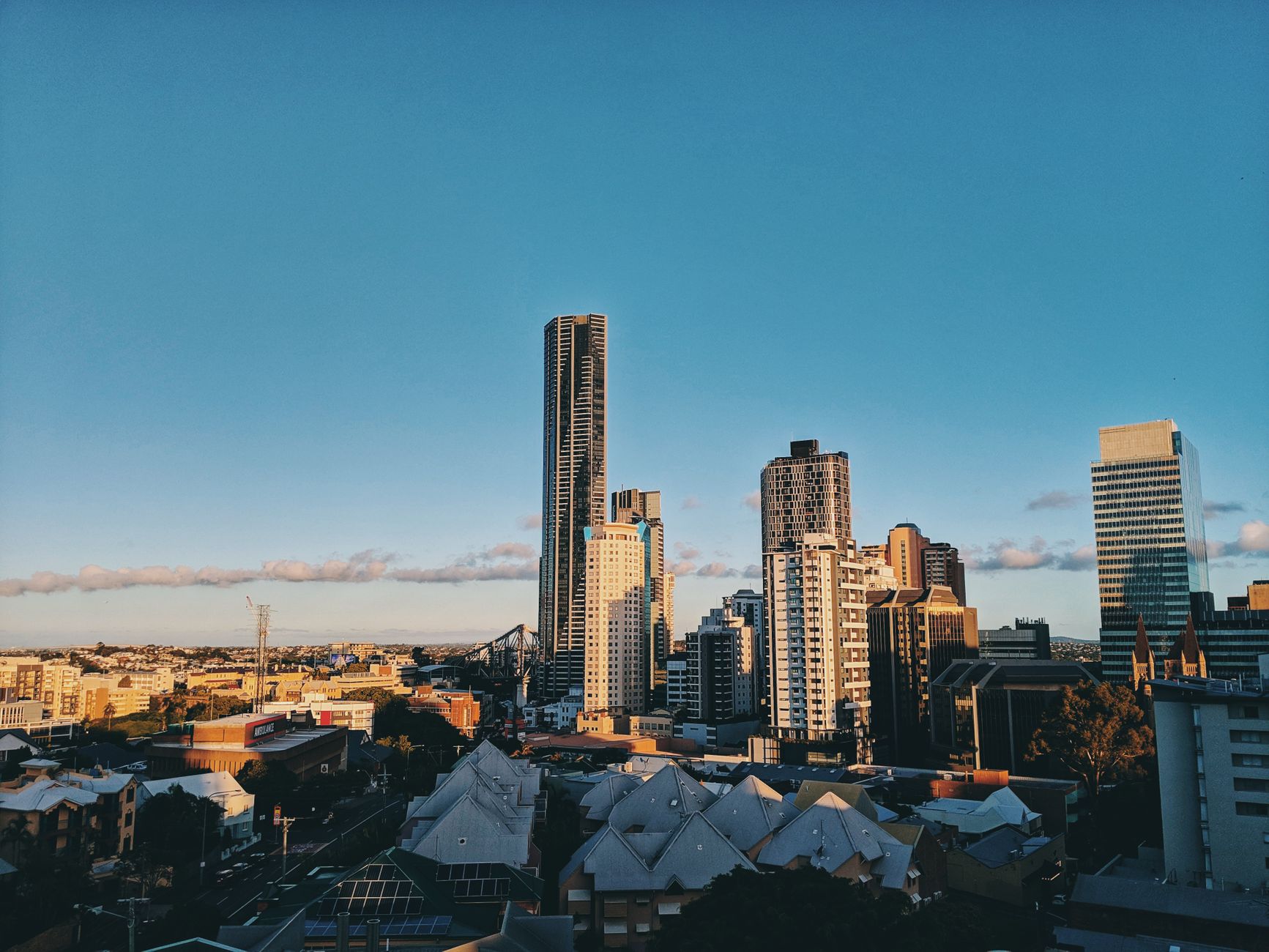
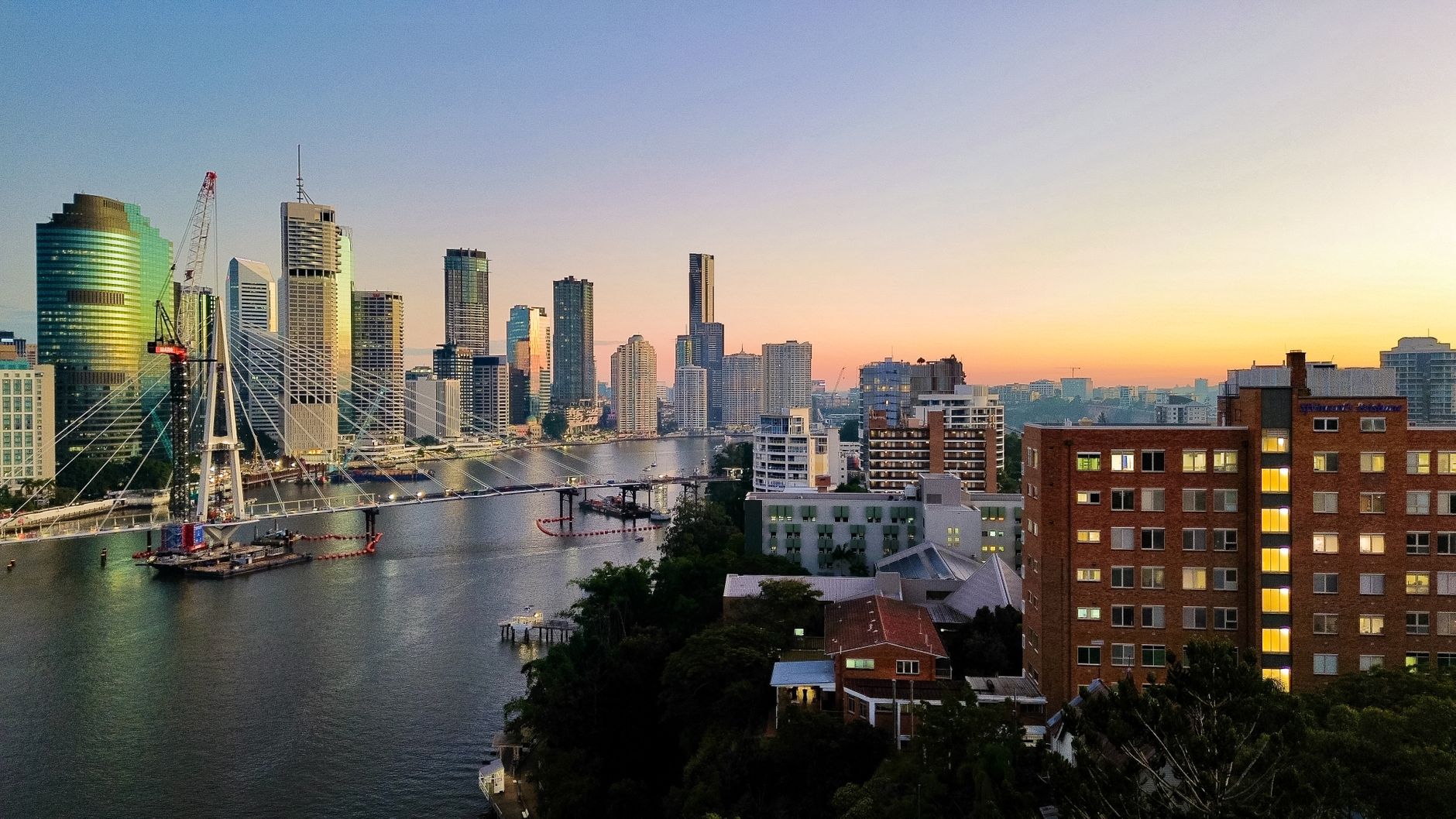
Wondering what the cooling Brisbane property market means for your next move in spring 2026? You're in the right place. Spring selling season opens this week with the Brisbane market at its most interesting point in years. After a run that added double-digit growth over the past twelve months, prices have stopped rising — and for the first time since 2022, the conversation has shifted from "how do I get in?" to "how do I negotiate?" This guide breaks down the latest Brisbane property data, explains what the cooling market means for buyers, sellers and investors, and shows you how to use the shift to your advantage.
Brisbane property market data: median prices and growth trends
- Brisbane's median dwelling value sits at about $1.10 million (Cotality, end of July 2026) — still up 10.8% over the year, but down 0.6% in July and now roughly 0.7% below the May 2026 peak.
- Nationally, values fell 0.9% in August — the fifth consecutive monthly decline — to a median of about $913,000, up just 2.7% over the year.
- The southern capitals are doing it tougher: Sydney (about $1.22 million) and Melbourne (about $787,000) are both down more than 4% year on year.
In other words: Brisbane has outperformed the rest of the country dramatically — but it is no longer immune to the national correction.
Why the Brisbane property market has cooled in 2026
The Reserve Bank lifted the cash rate three times in the first half of 2026 to 4.35%, and has now held it there for two consecutive meetings (July and August). Governor Michele Bullock has been blunt that inflation remains too high and the door to further hikes stays open. Higher rates squeeze borrowing capacity directly — and after several years of steep price growth, Brisbane buyers were already stretched. Something had to give, and in July it finally did.
Brisbane rental market: vacancy rates and rent growth remain strong
While prices pause, the rental market remains one of the tightest in the country. Brisbane's vacancy rate is holding around 0.9%, median asking rents are roughly $650 a week for houses and $570 for units, and rents grew about 6.6% over the year to July — ahead of the combined-capitals average. Queensland also keeps winning the population race, adding close to 98,000 people in 2024-25 with the nation's largest net inflow of interstate movers. Demand for somewhere to live has not gone anywhere; what has changed is what buyers can pay.
Buyers guide: negotiating power returns to the Brisbane market
- You have negotiating room again. More spring listings plus softer prices mean less competition per property — days on market are stretching and vendors are meeting the market.
- But your constraint is borrowing power, not price. A 1% higher rate cuts your maximum loan far more than a 1% price dip saves you. Test your real capacity with the finance calculator before you fall in love with anything, and get pre-approval sorted — it puts you in the strongest position to move quickly on the right property.
- First home buyers still have the full toolkit. The $30,000 grant on new homes under $750,000 and zero transfer duty on new builds at any price both continue this financial year — the details are in our first home buyer guide.
Sellers guide: pricing and presentation strategies for spring
Well-presented, correctly priced homes are still selling — Brisbane is 0.7% off its peak, not 10%. But the days of naming an ambitious price and being carried past it are over for now. Price to the current market, invest in presentation, and treat the first two weeks of your campaign as the ones that matter: that is when your buyer pool is largest.
Investors guide: yields, negative gearing and new build advantages
Flat prices plus rising rents means yields are quietly improving for the first time in years. The other big development is federal: the May 2026 Budget moved to quarantine negative gearing on established homes bought after 12 May 2026, while new builds keep full negative gearing — a structural tax advantage for new stock from 1 July 2027. We break down exactly who is affected in our negative gearing guide, and our cash flow calculator shows what a property really costs per week after tax.
Spring 2026 property outlook: what to expect in Brisbane
Expect more choice, longer campaigns and a market that rewards preparation over speed. Whether that window stays open depends largely on the RBA — a rate cut would bring sidelined buyers back quickly, while another hike would extend the pause. Either way, Brisbane's fundamentals — population growth, a tight rental market and a genuinely constrained construction pipeline — have not changed.
Browse our current listings or talk to the PVI team about what spring means for your situation.
This article is general information only, current as at 1 September 2026, and is not financial advice. Figures are third-party estimates (Cotality, SQM and others) and change monthly.